Diving and snorkelling on shipwrecks
©Catarina Fazenda
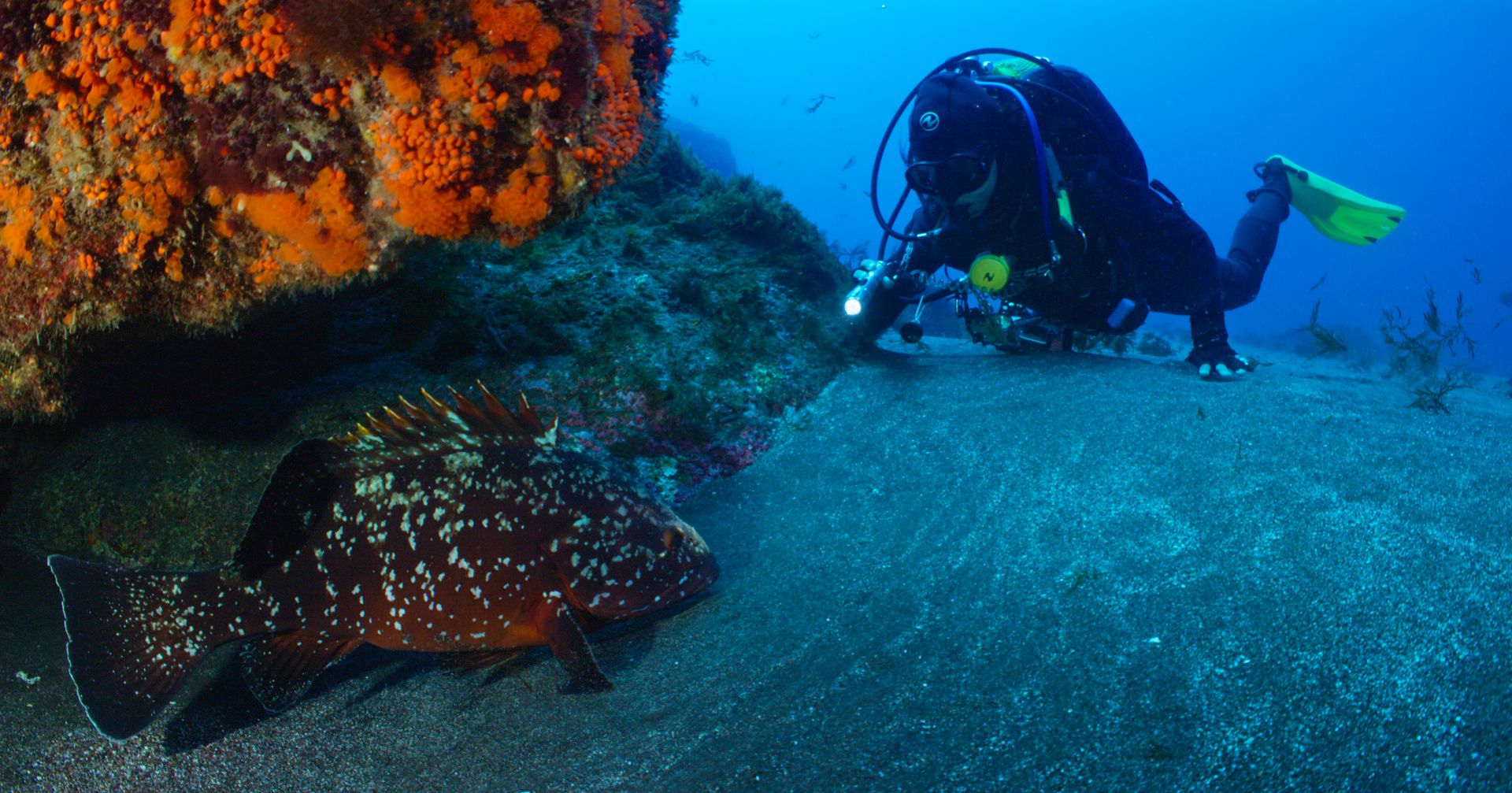
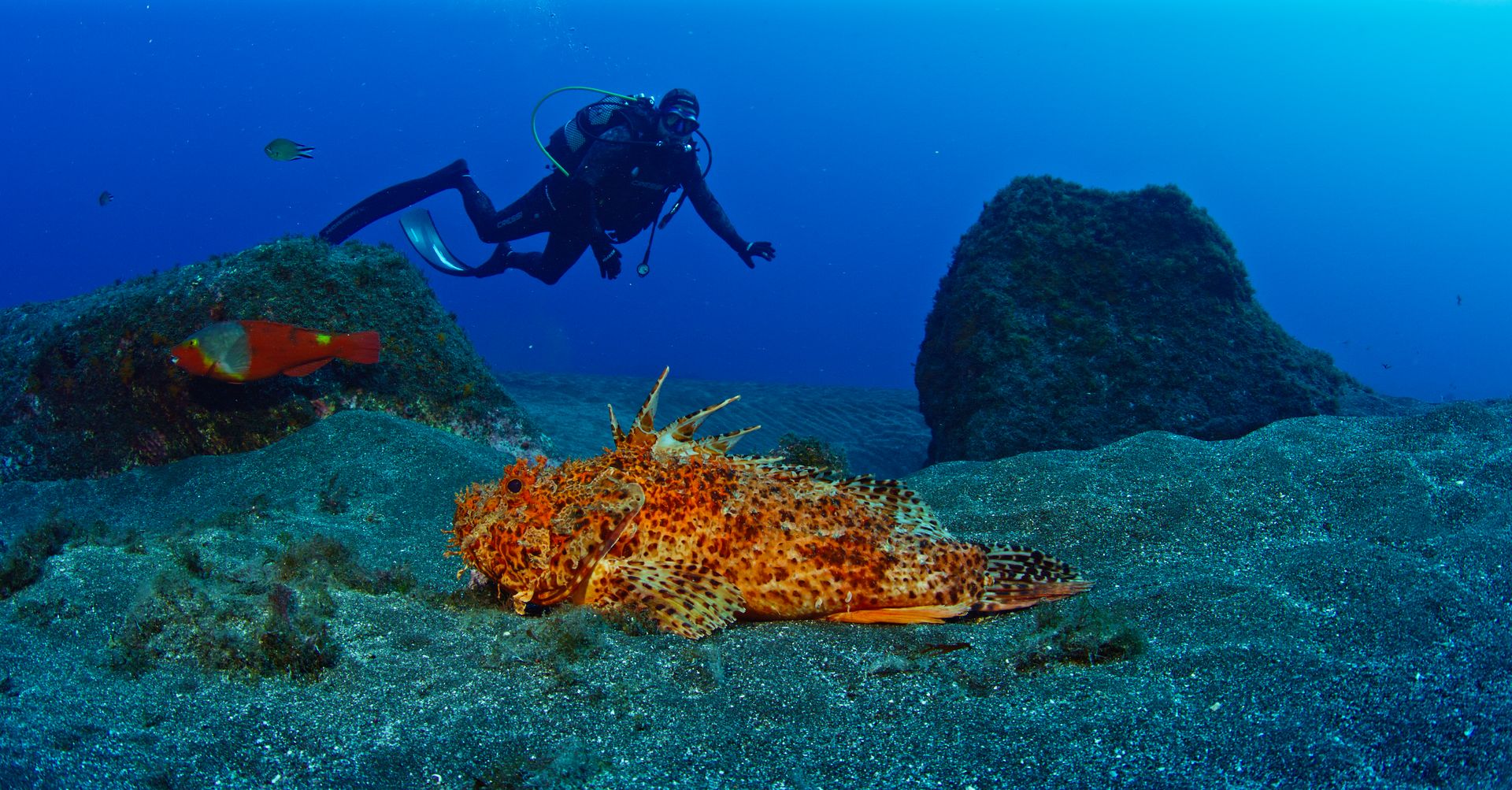

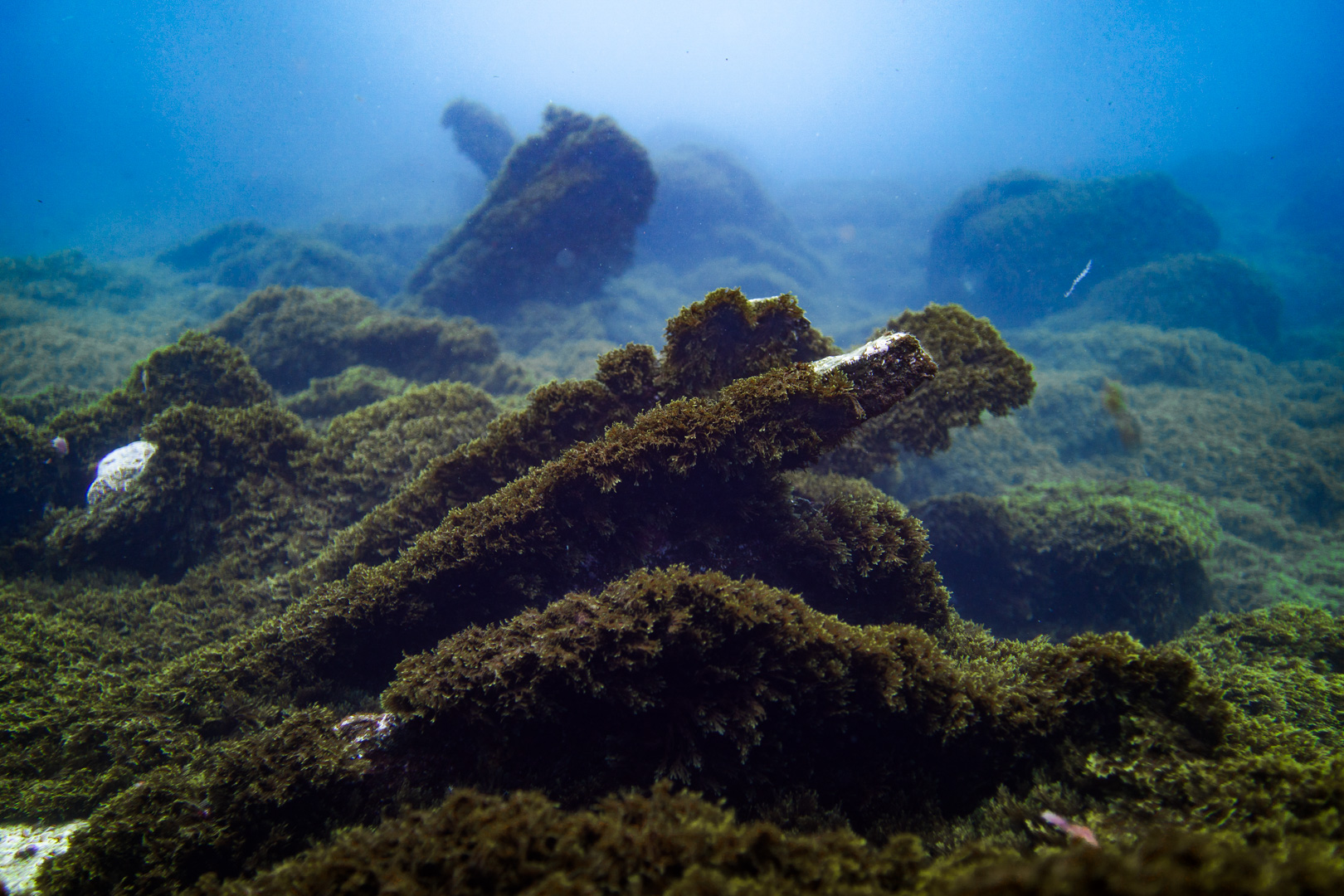
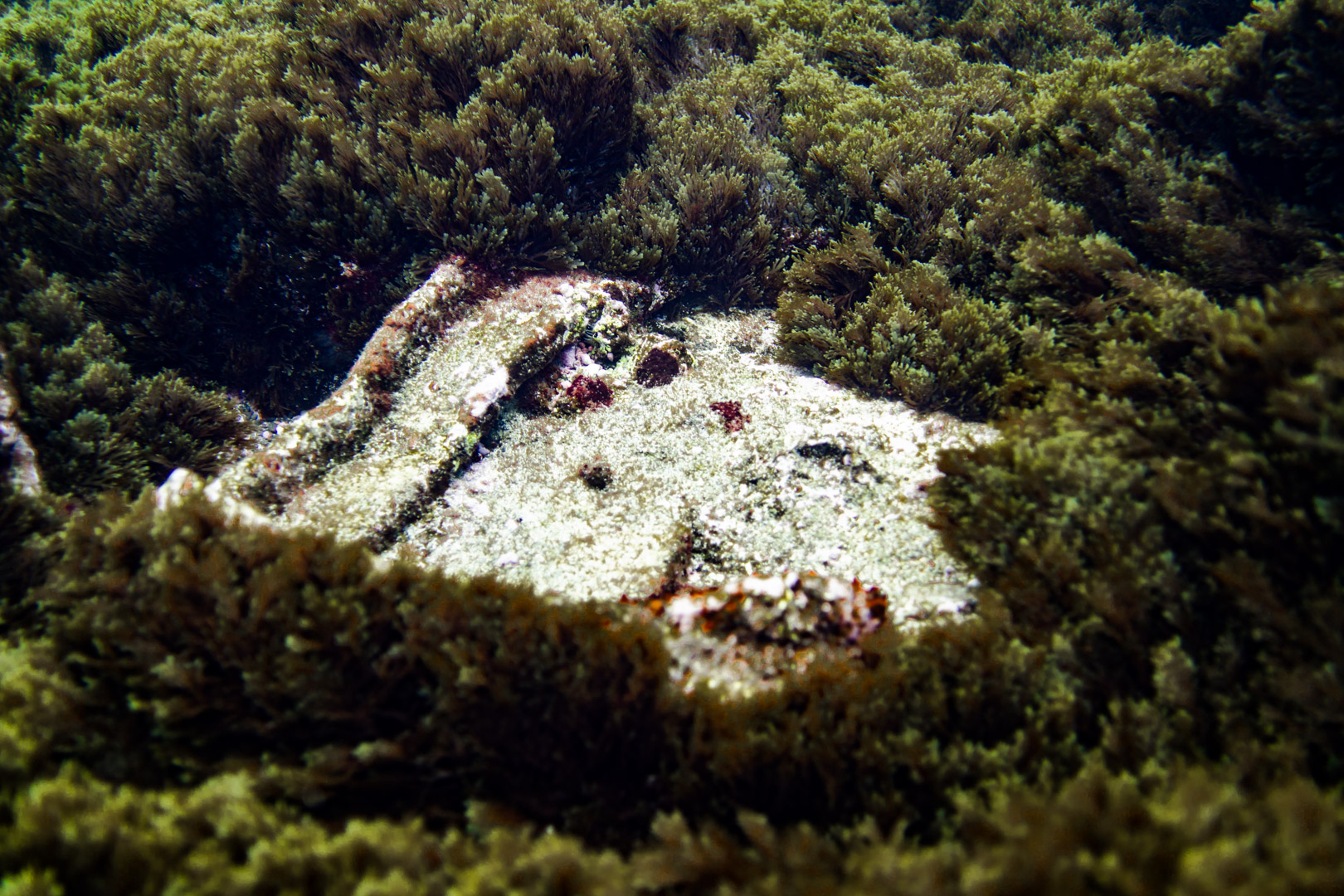
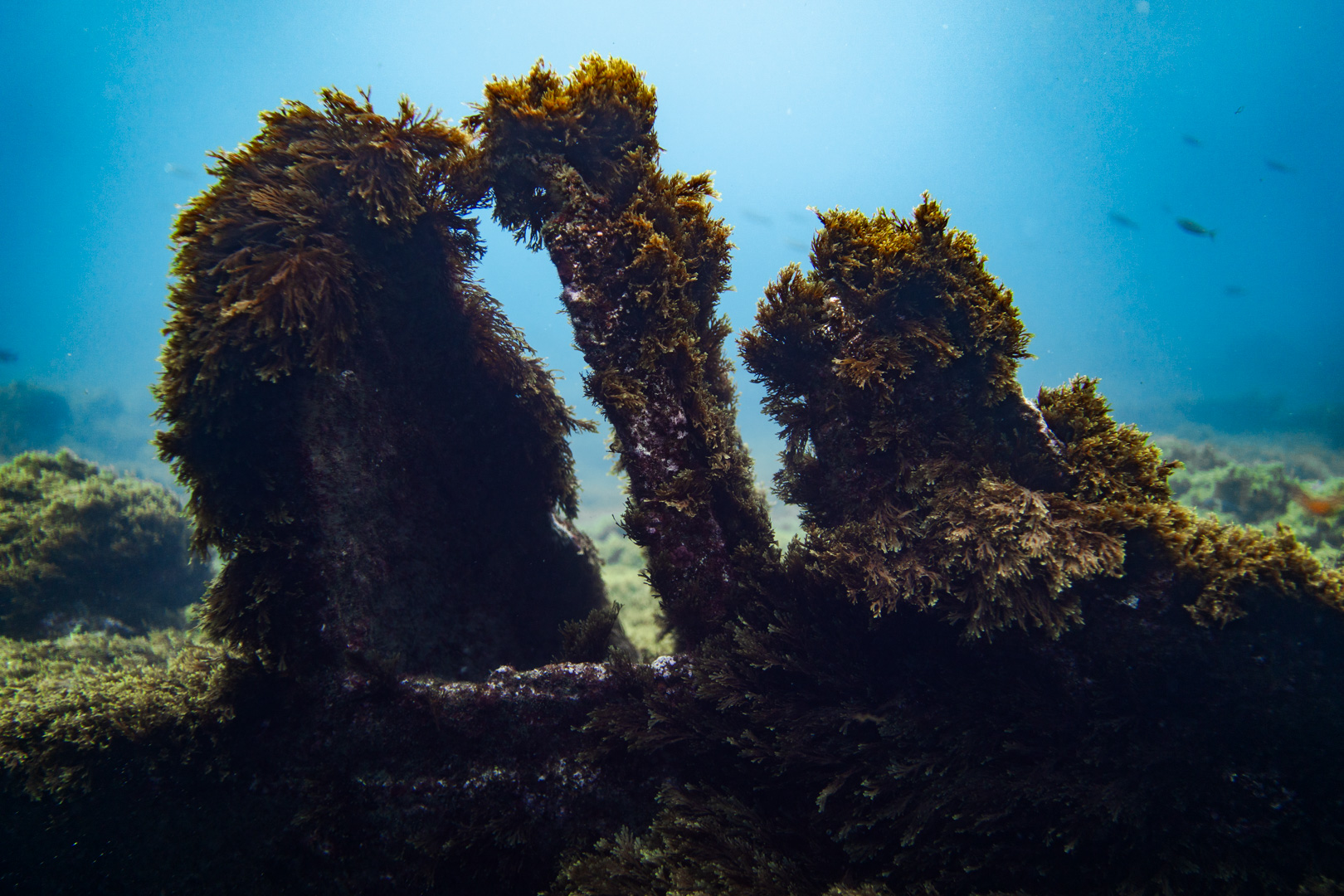
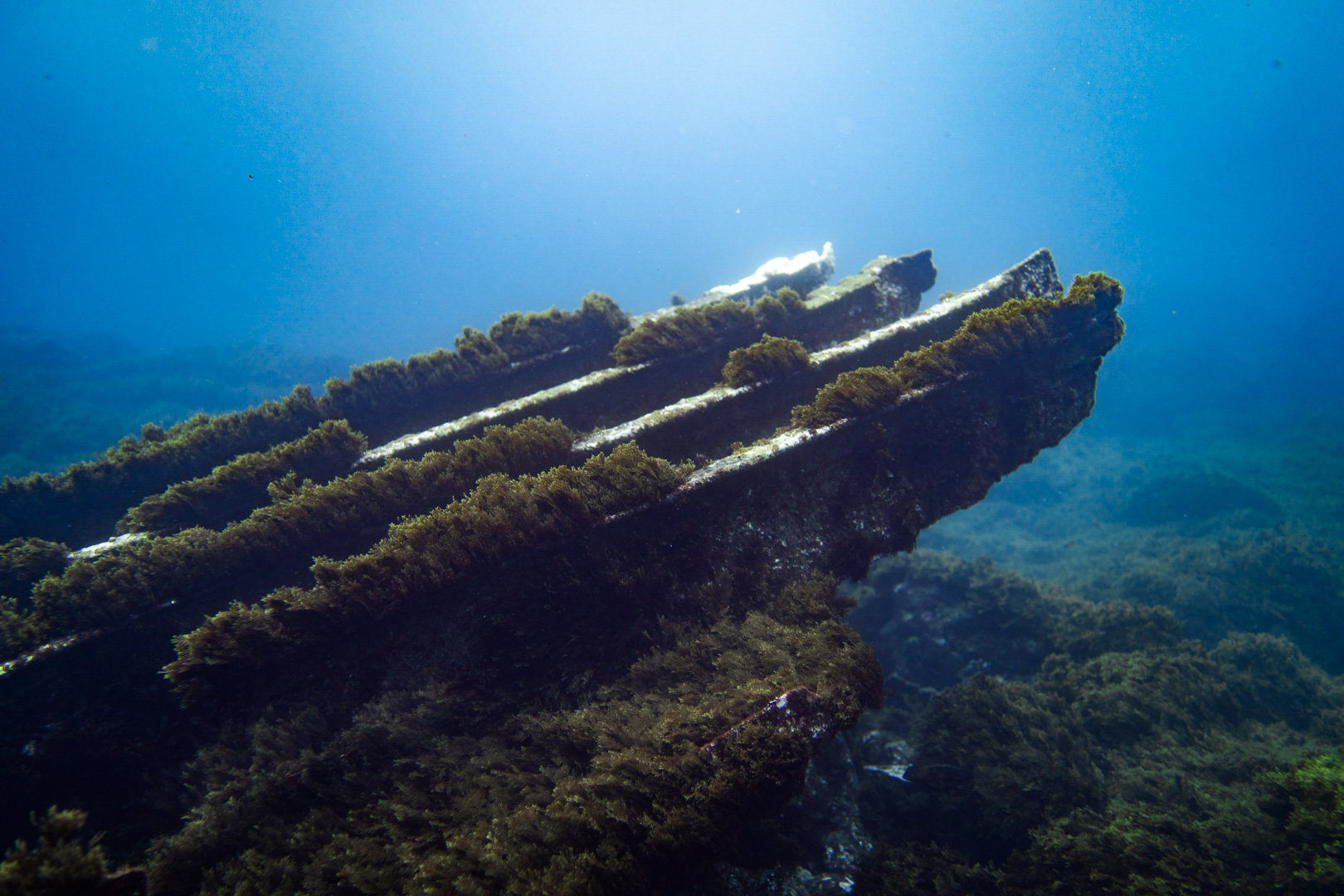
Explore Beyond the Surface
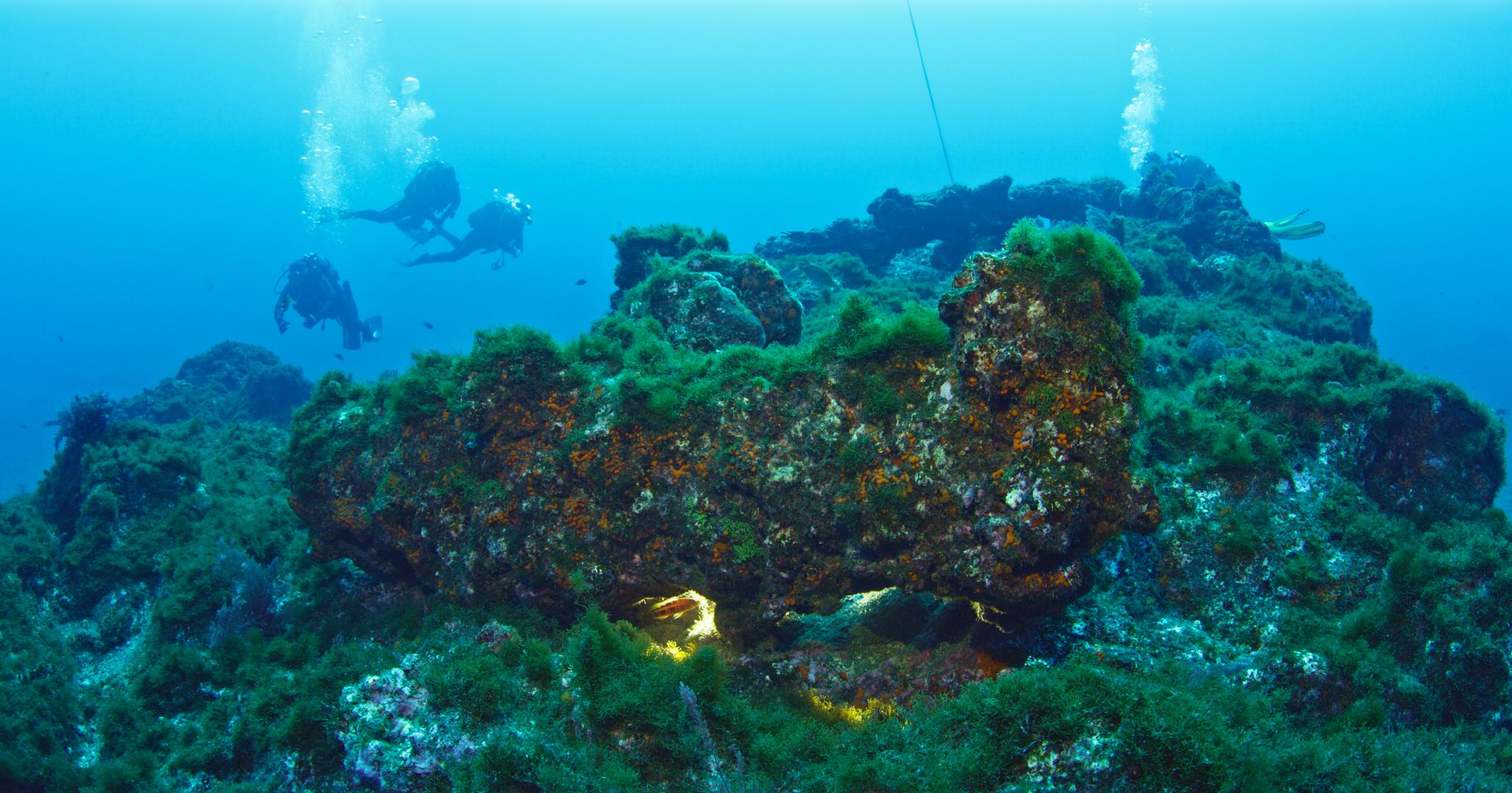
Between the islands of Faial and Pico, the seabed holds silent stories of voyages, storms and Atlantic routes that have marked centuries of navigation. Today, the remains of historic shipwrecks have become fascinating destinations for divers and sea lovers, places where history and nature merge into a single setting.
In Faial, the wreck of the Main, in Porto Pim Bay, is the most emblematic. Sunk in 1892, this old English steamship rests a few metres below the surface and is accessible to both experienced divers and snorkellers.
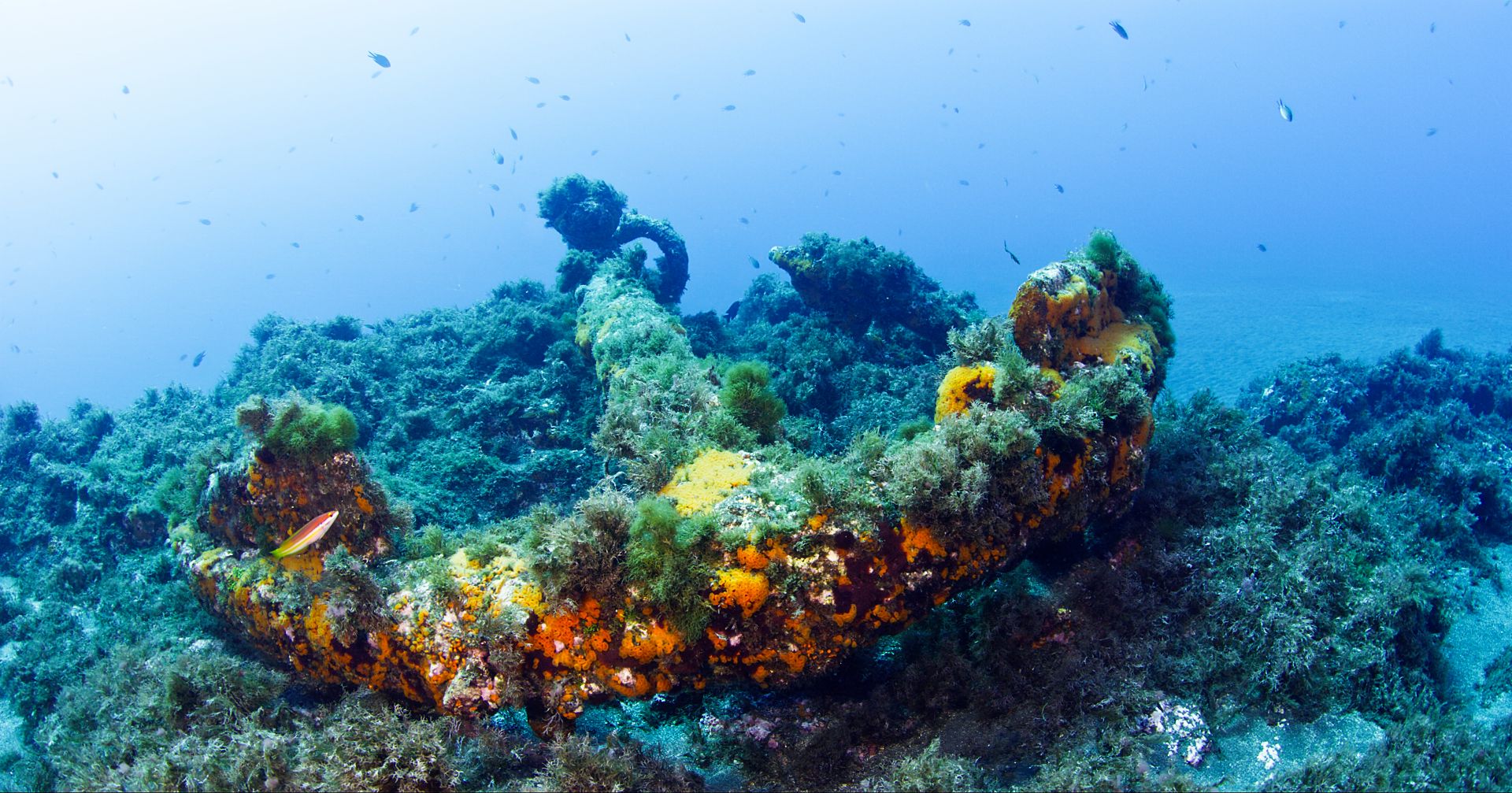
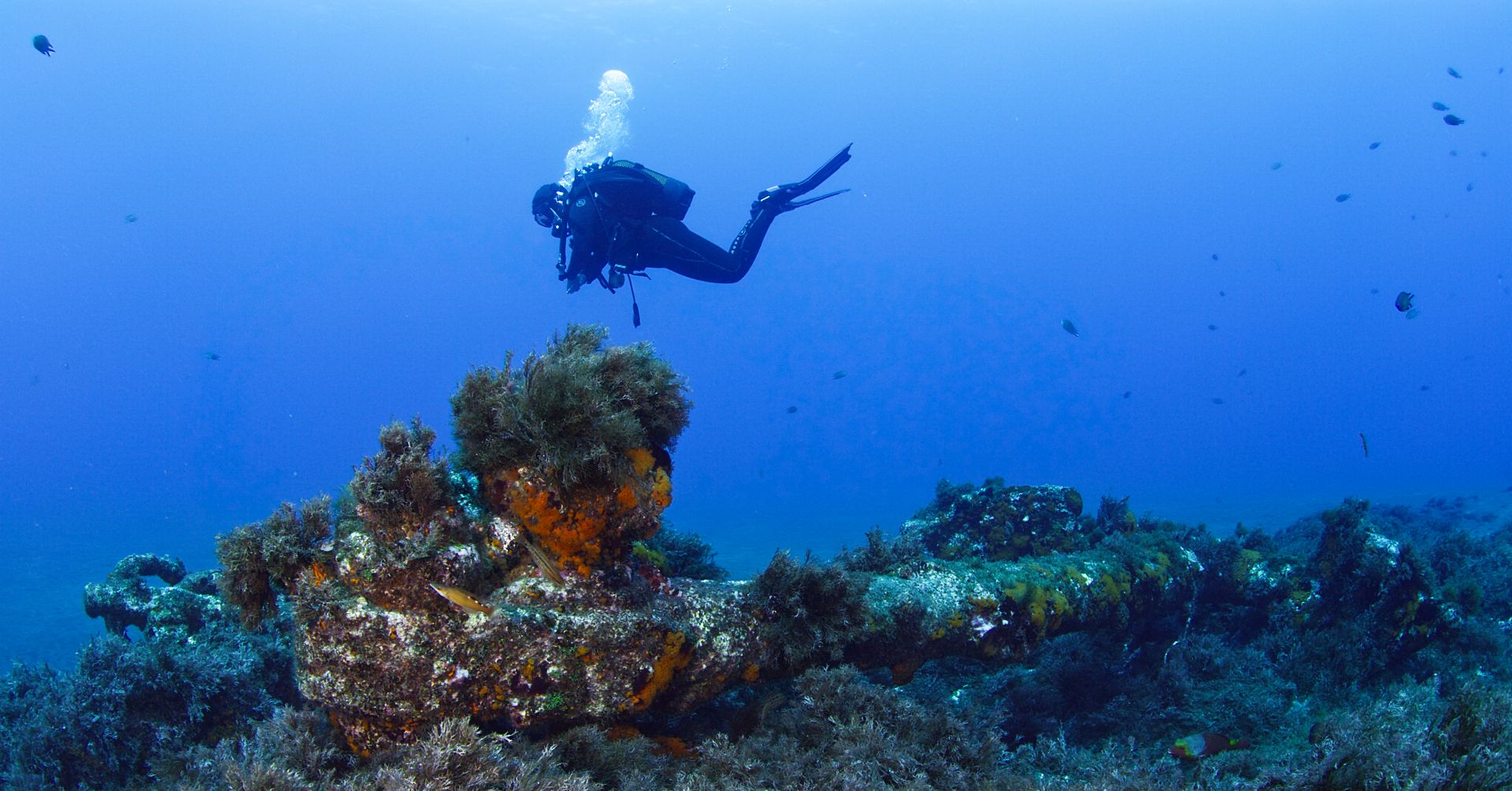
In Entre Montes Bay, the first underwater archaeological reserve in the Azores, ancient cannons and anchors can be seen, revealing the historical importance of the port of Horta in transatlantic navigation and trade.
Near Vila da Madalena, on Pico Island, you can also discover the charm of the Caroline shipwreck, which sank in 1901. This elegant four-masted sailing ship was one of the last commercial cargo ships to cross the Atlantic, connecting South America to Europe.
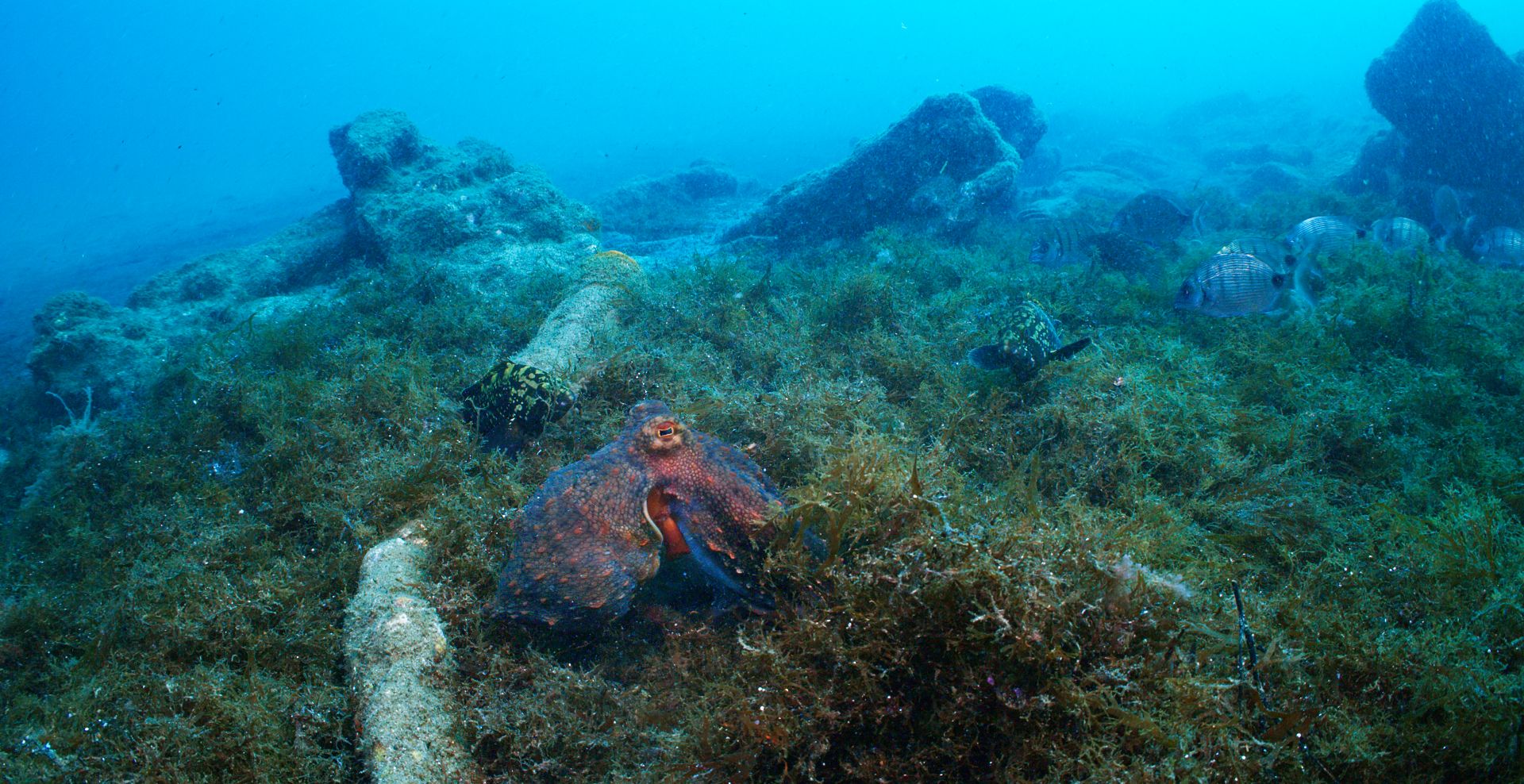
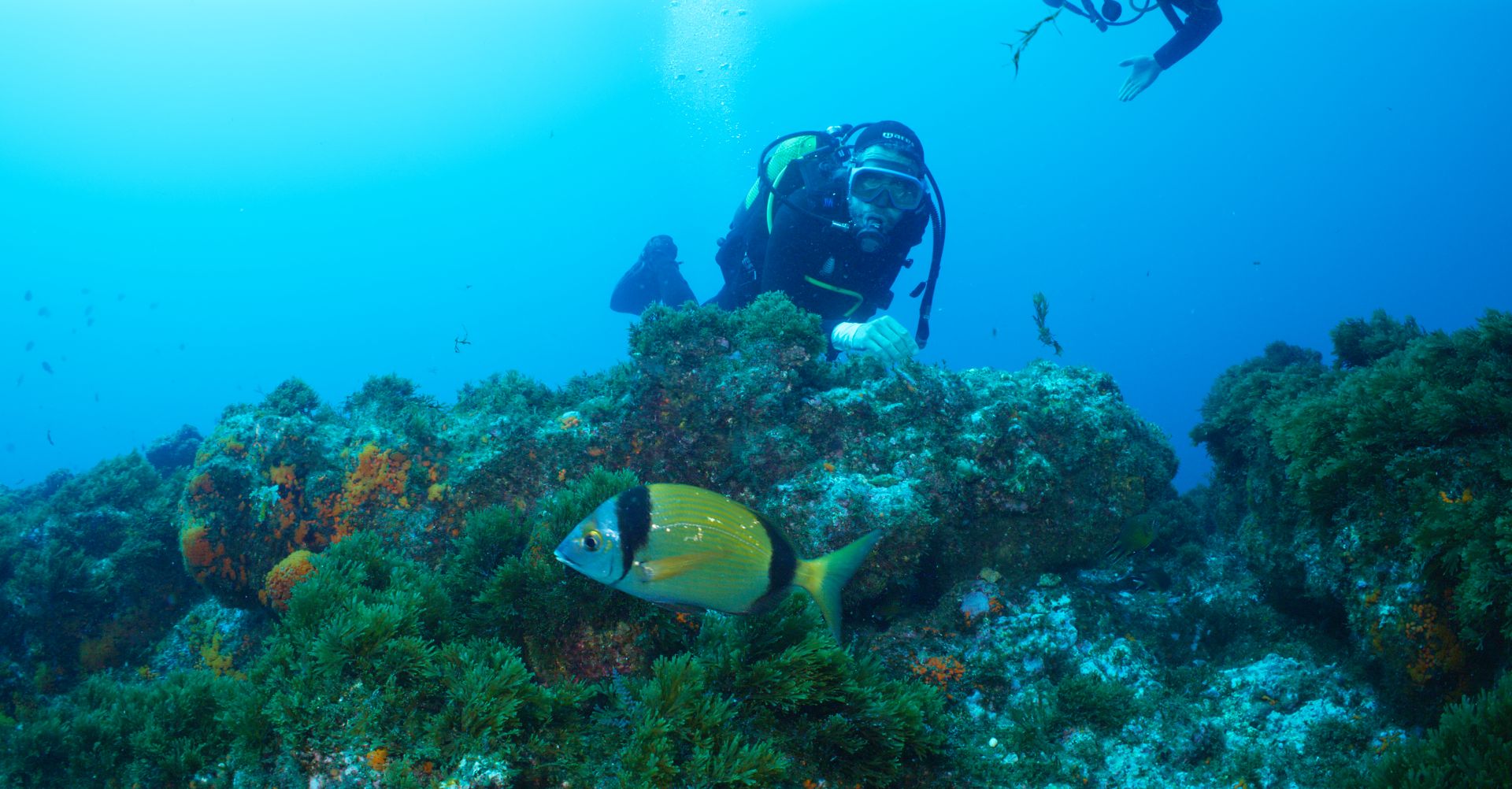
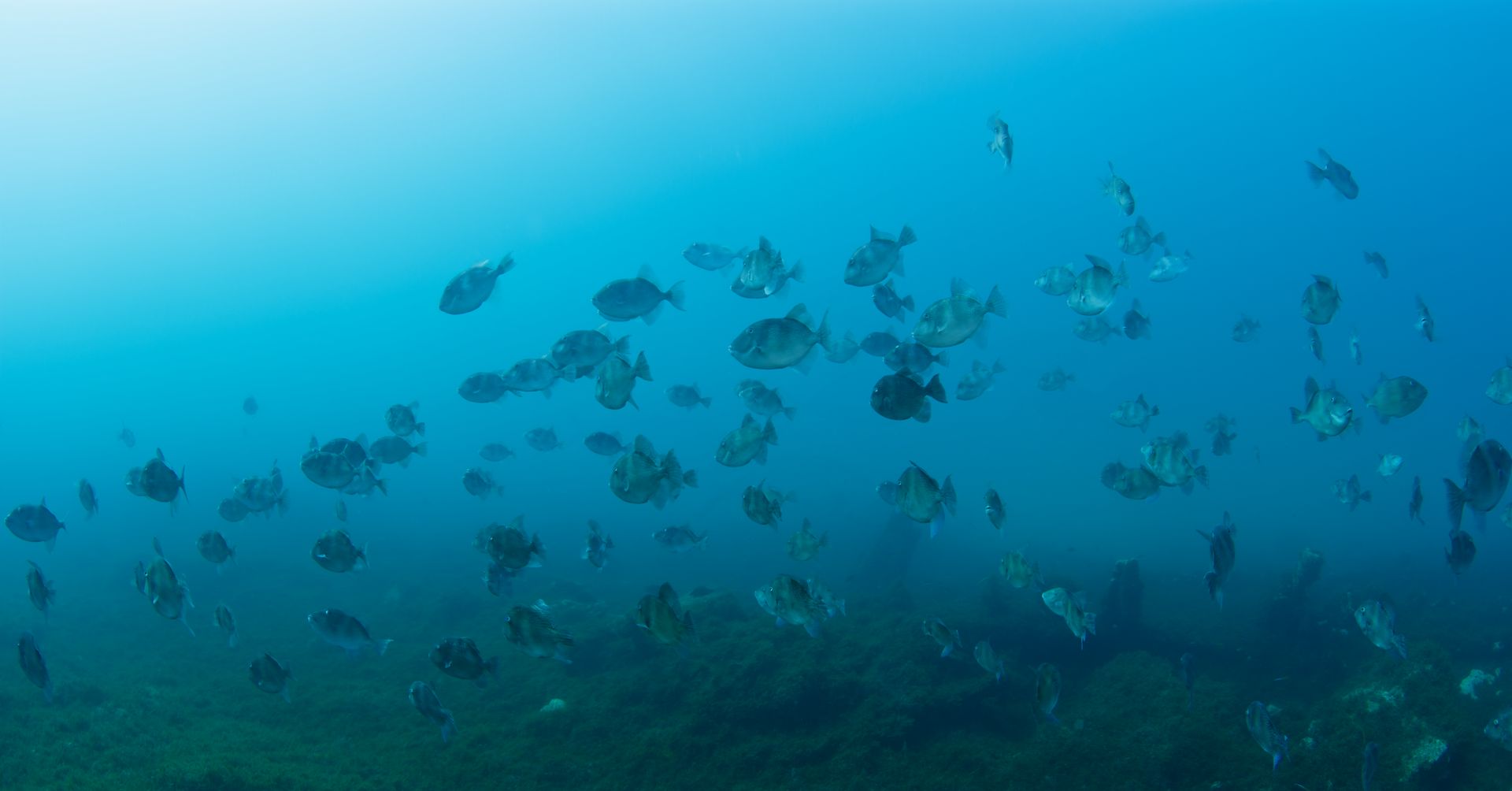
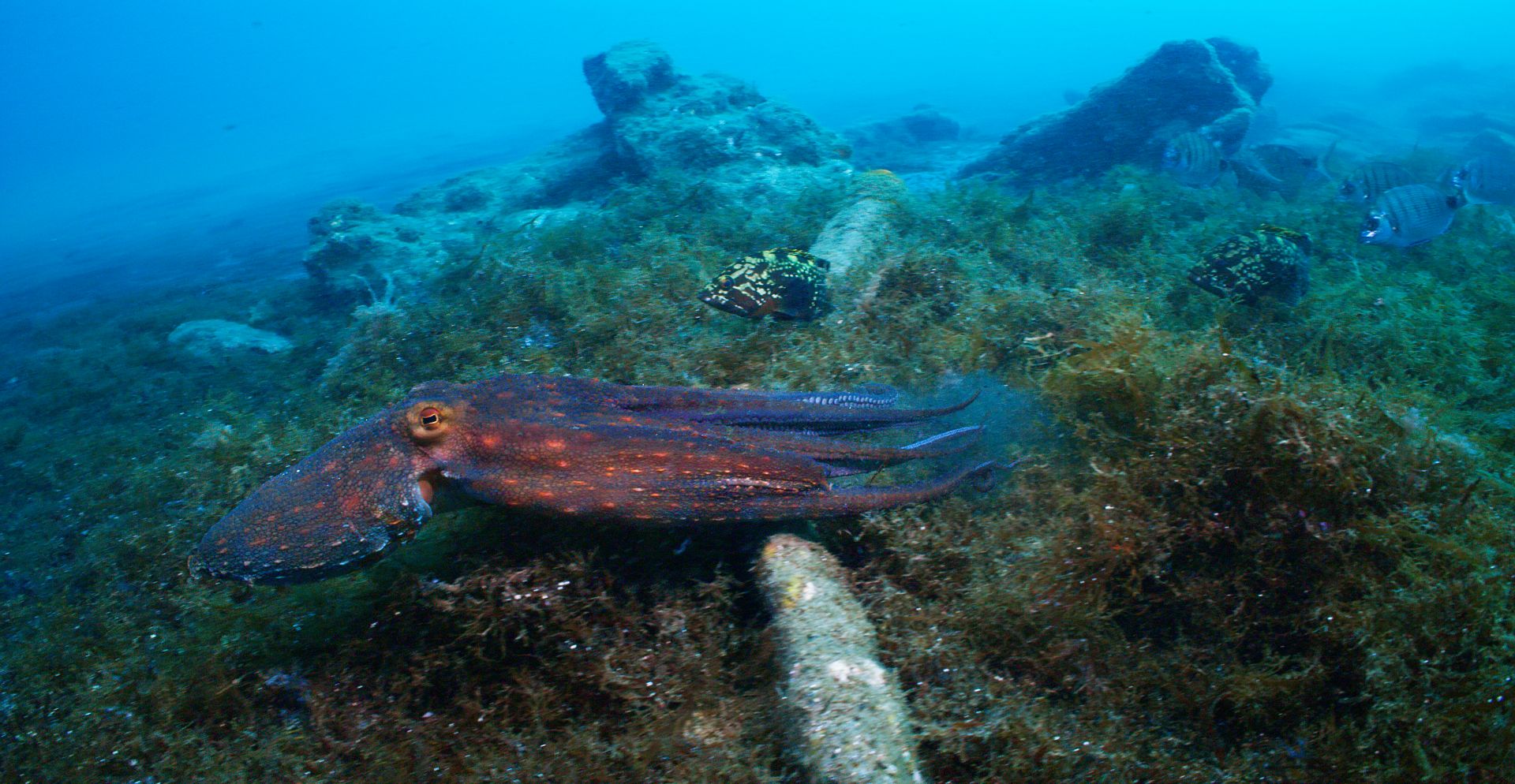
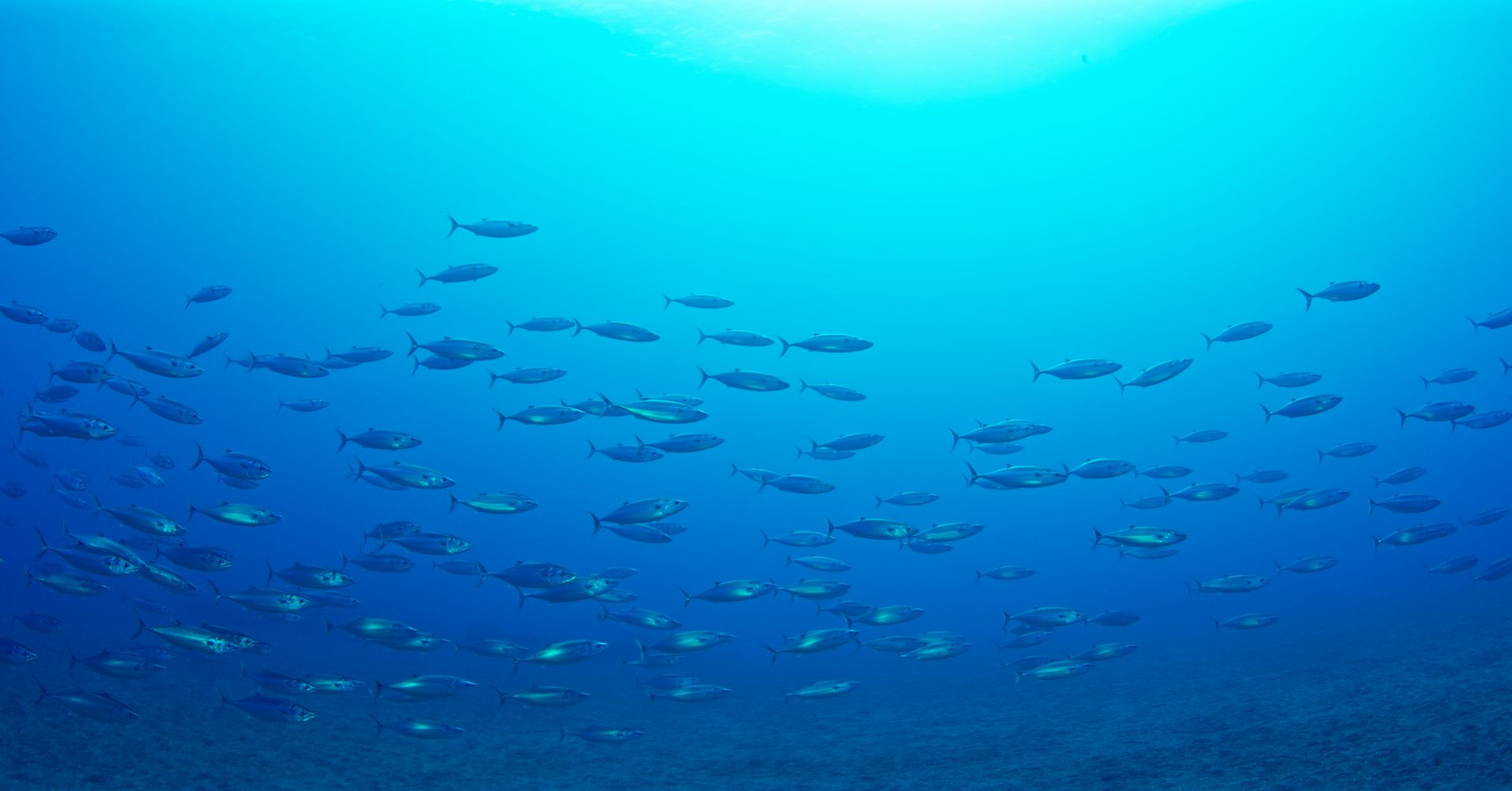
These sites, combined with excellent visibility and abundant marine life, make the islands of Faial and Pico one of the most attractive destinations in the Azores for archaeological and recreational diving.
A new exhibition space dedicated to the Azores’ underwater cultural and natural heritage, housed in the Fábrica da Baleia in Porto Pim, highlights Horta’s significance in Atlantic maritime trade, bringing together information on shipwrecks and other stories linked to seafaring. At the same time, it highlights the ecological value of the coastal areas of Porto Pim and the Faial–Pico Channel, emphasising the need to protect the marine habitats that form part of this history.
Discover also the ecoRoute project, co-financed by the European Commission – Project ID: 101124681 (2023–2026), which promotes sustainable tourism and the enhancement of the Atlantic underwater heritage.
©Catarina Fazenda
Steamship Main
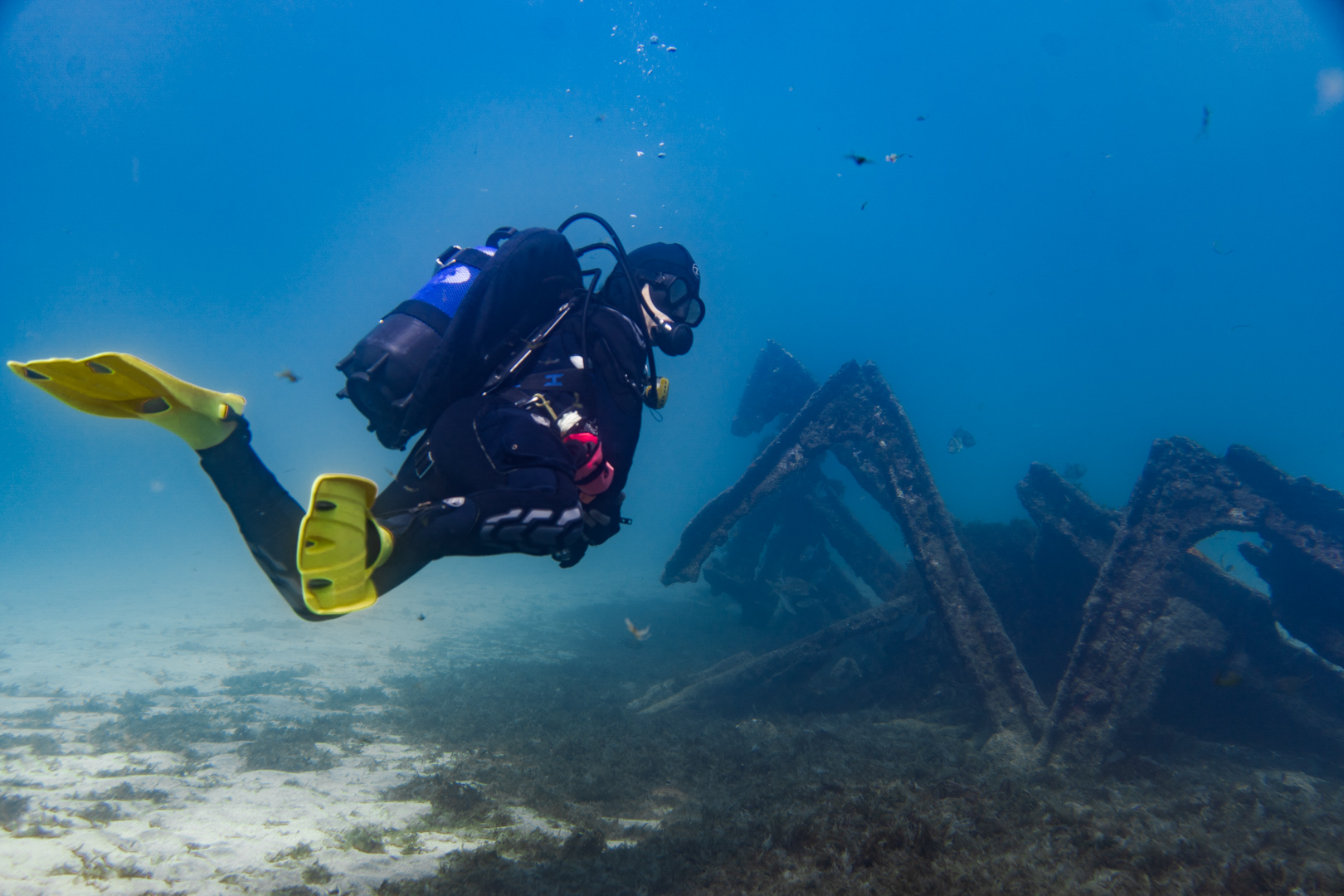
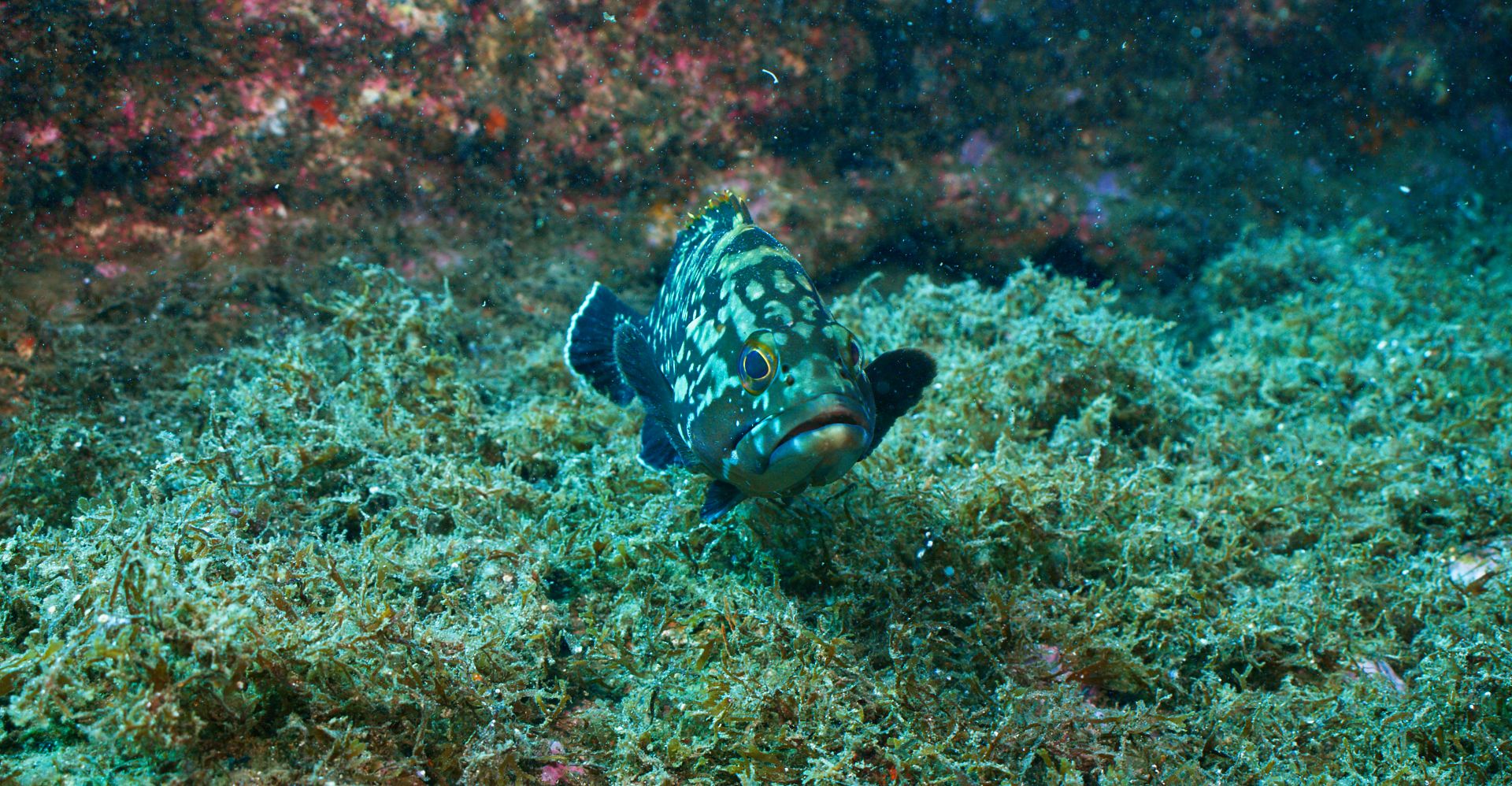
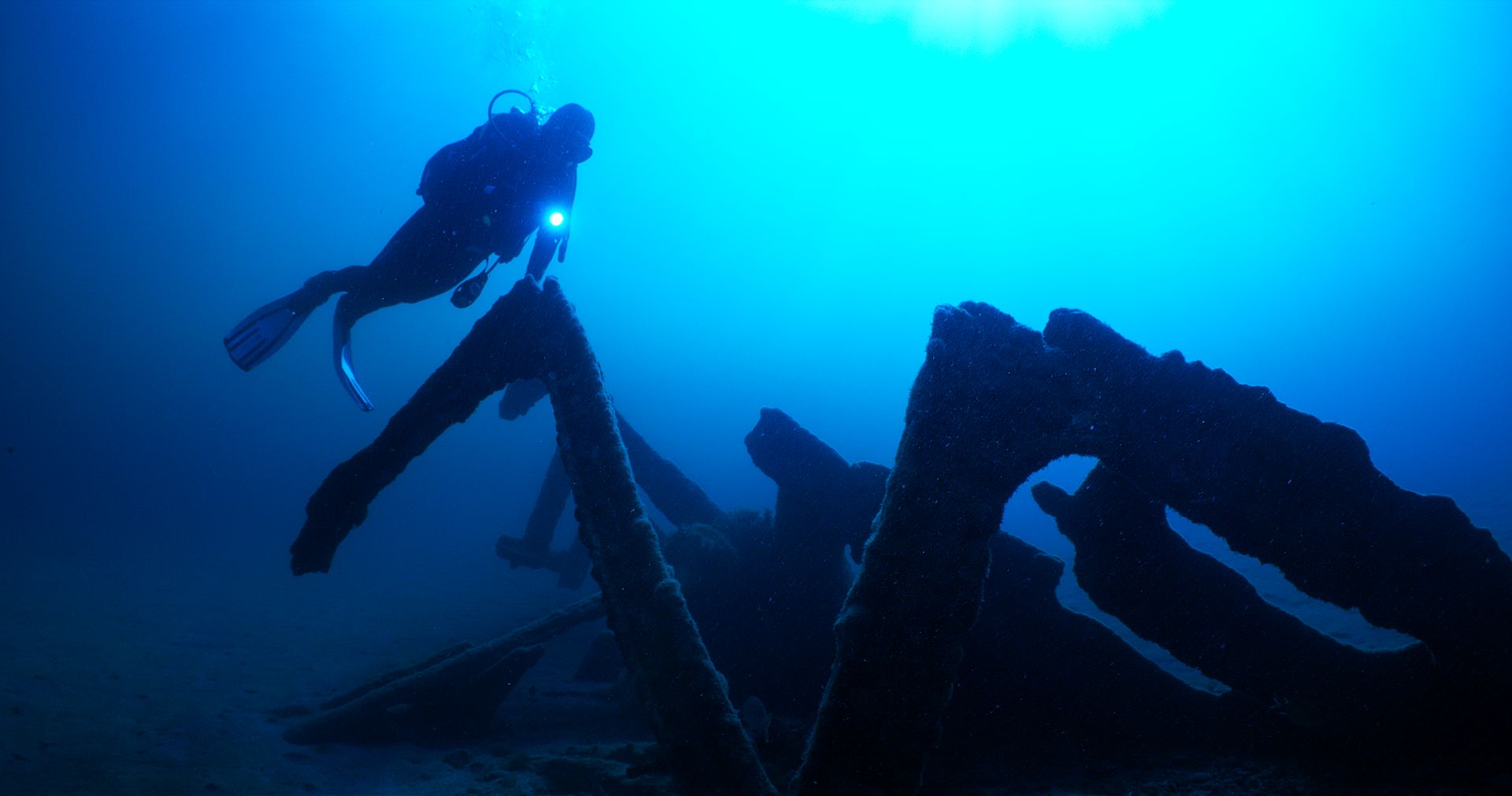
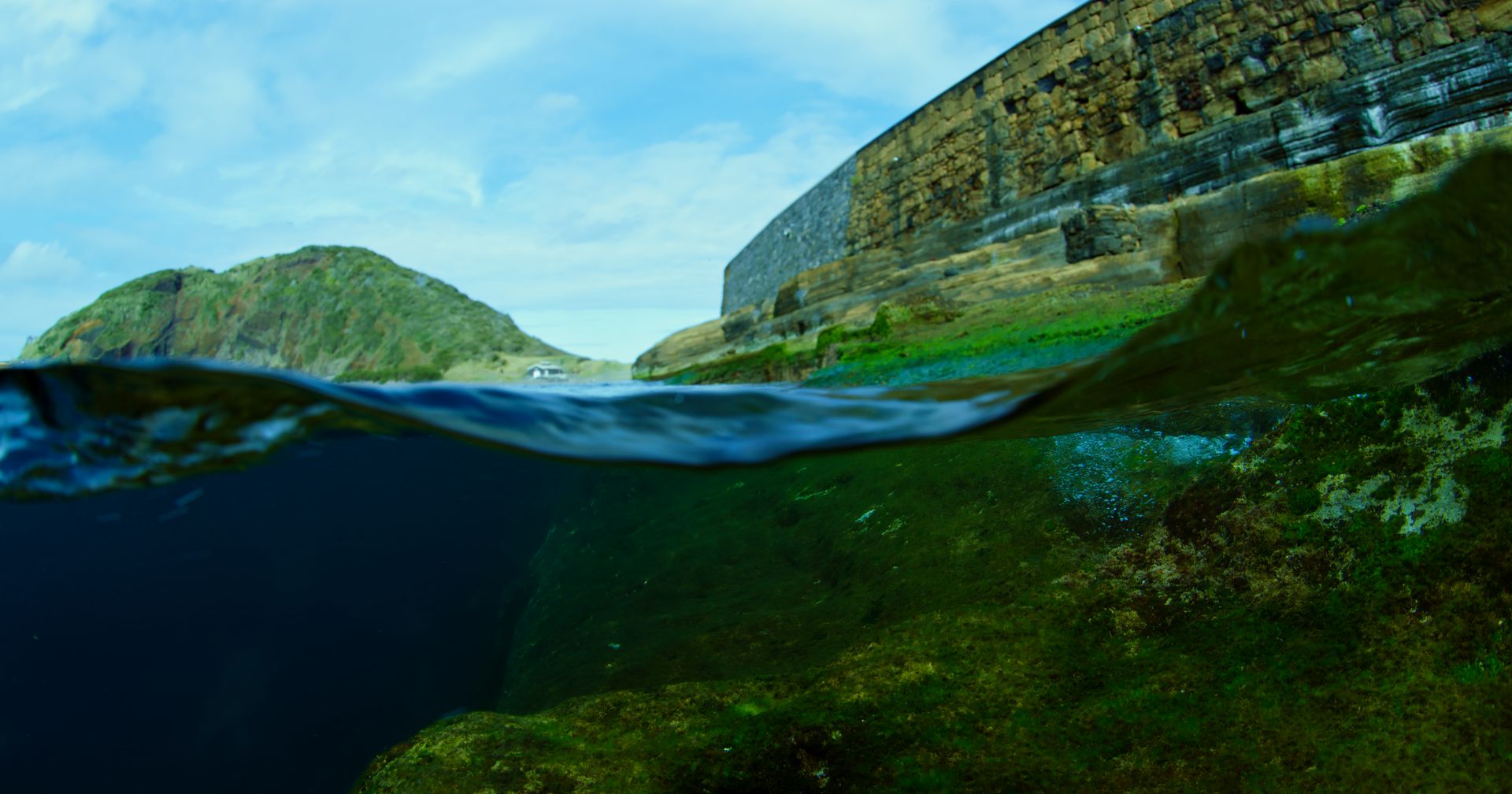
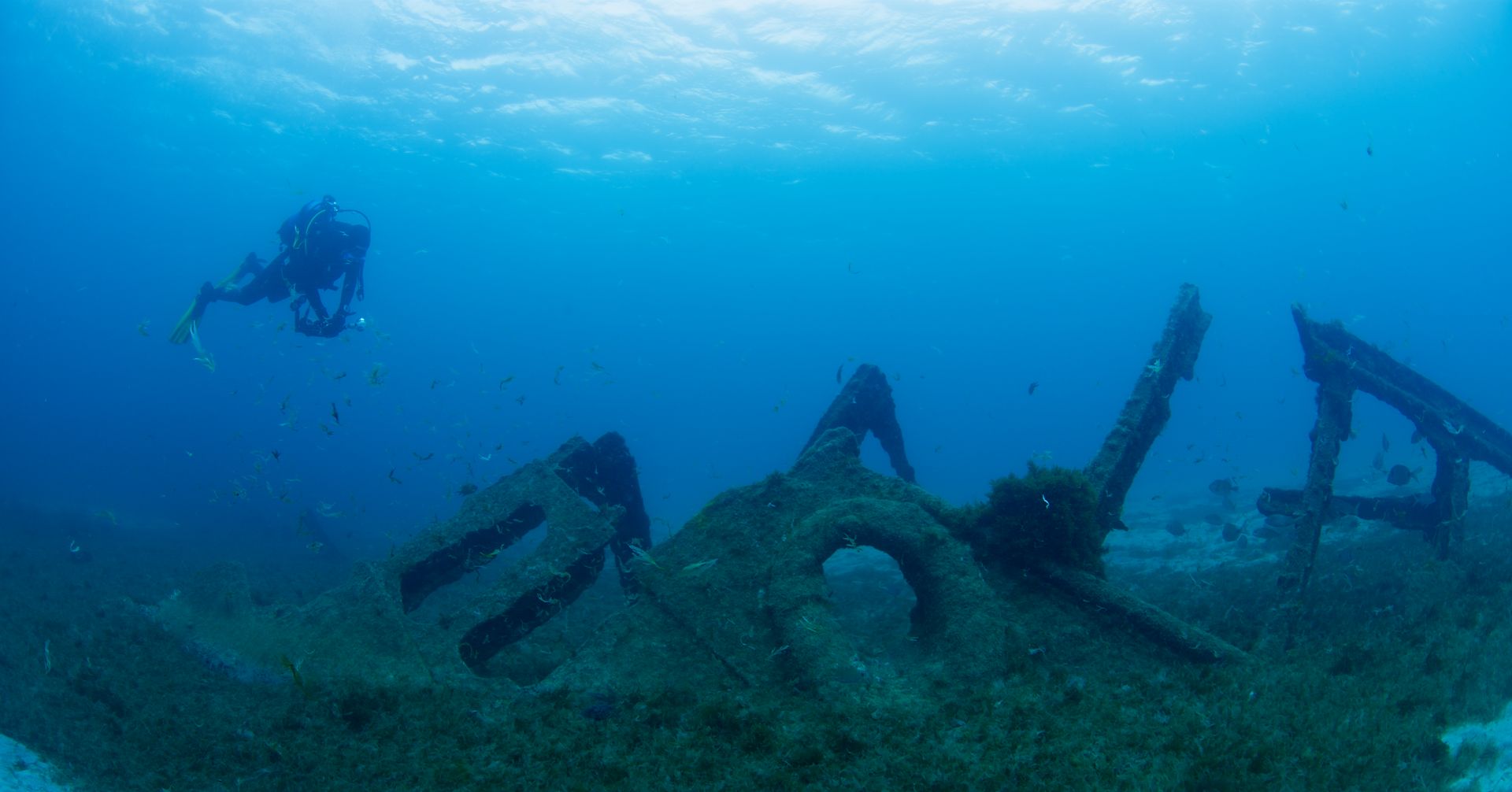
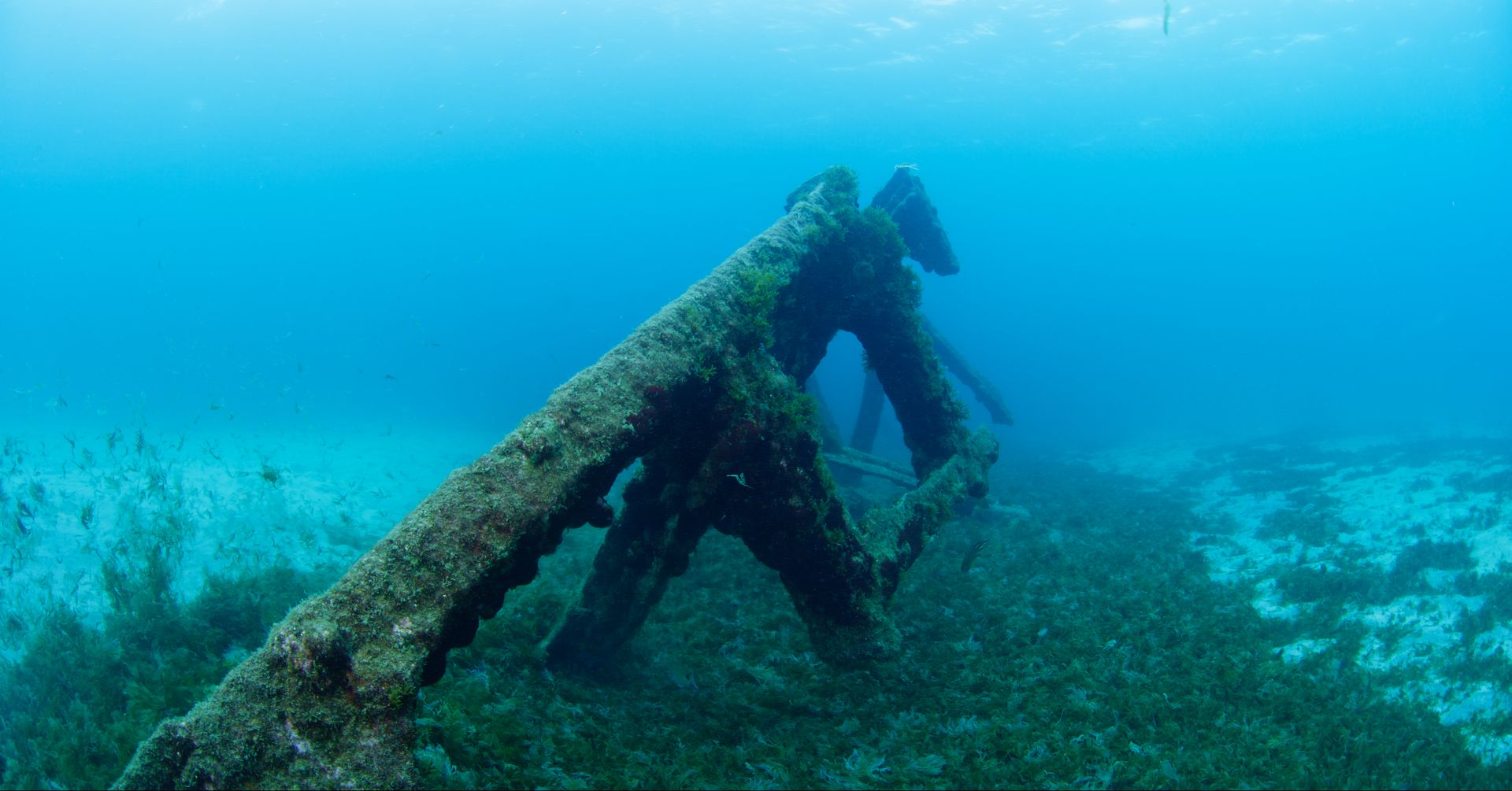
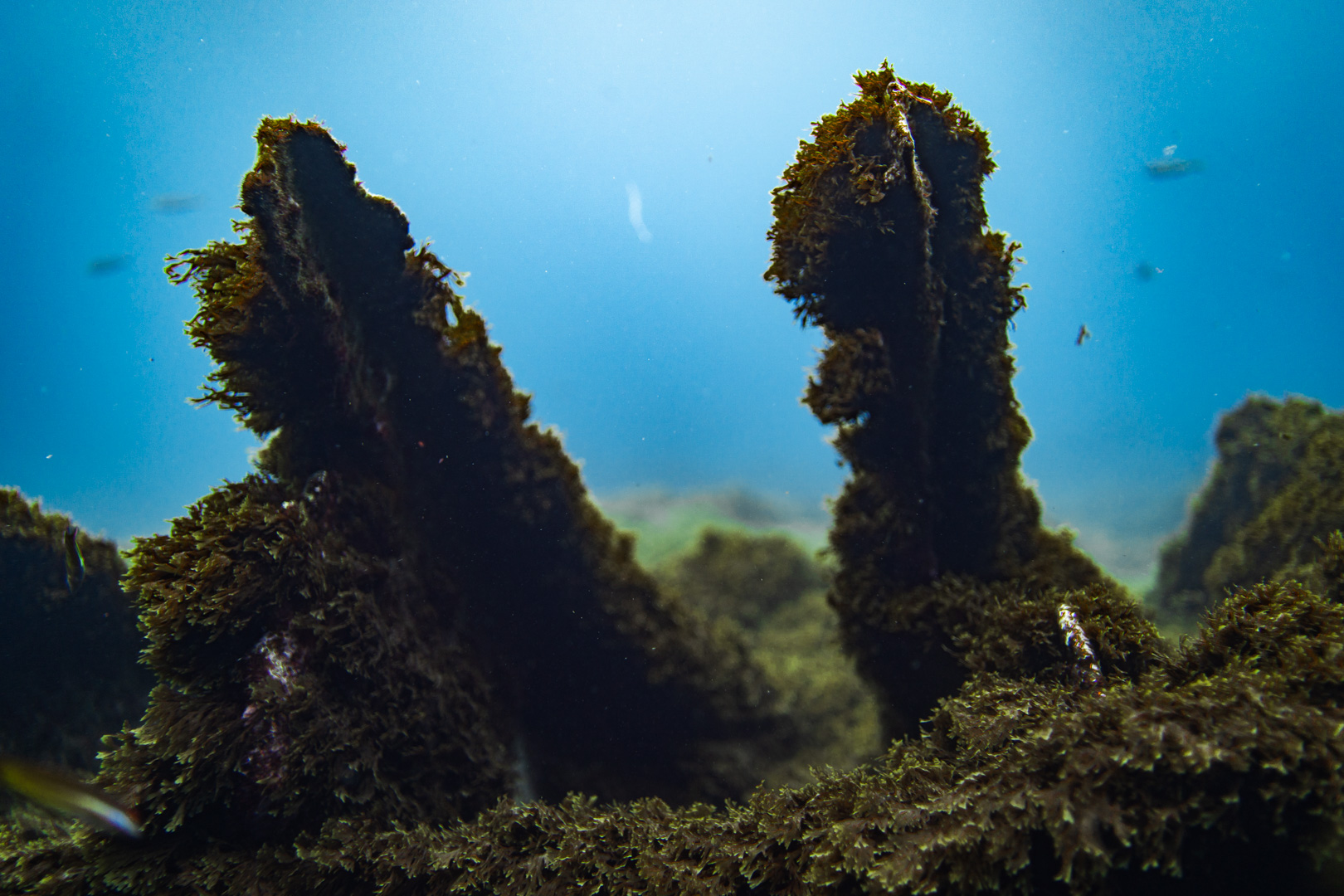
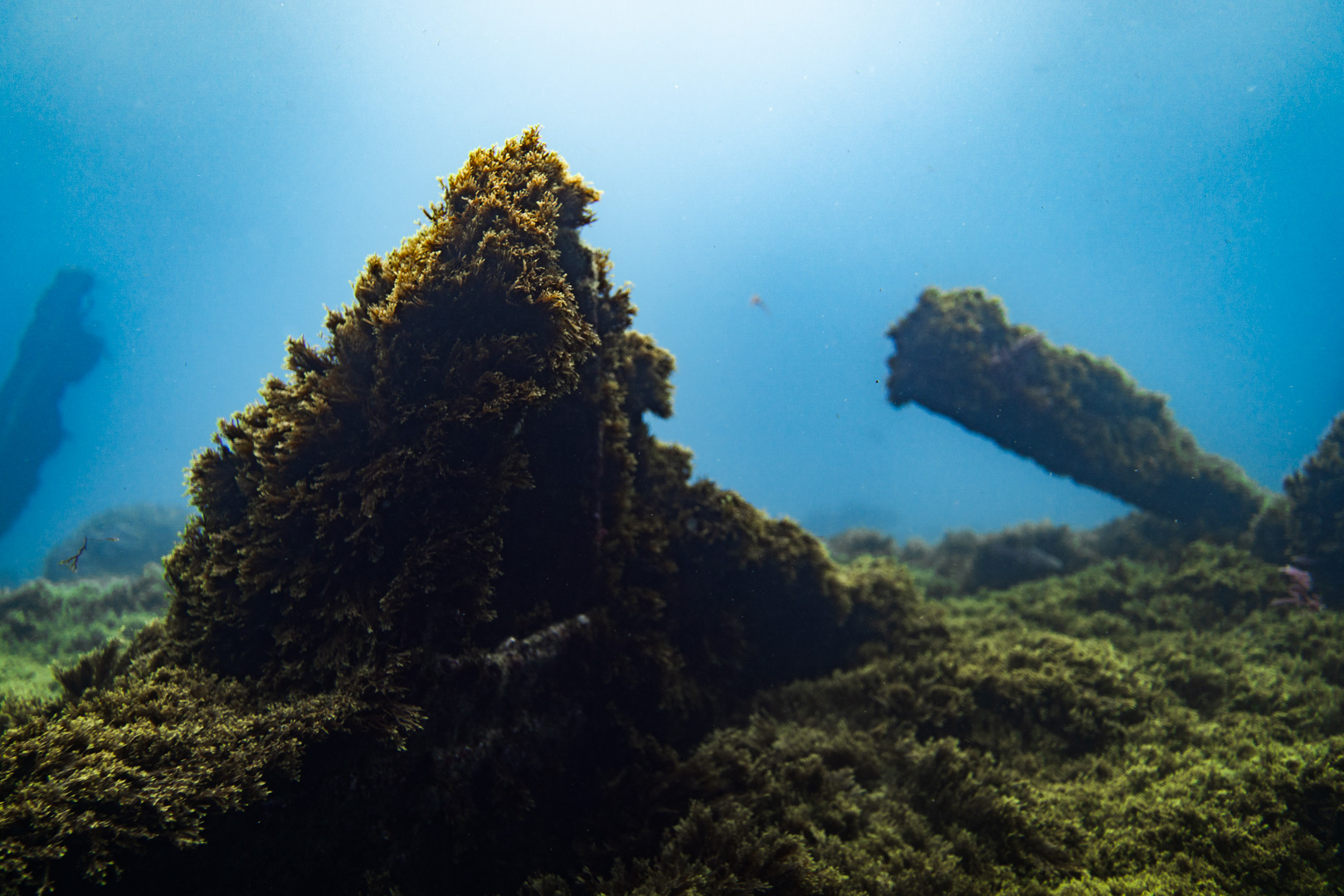
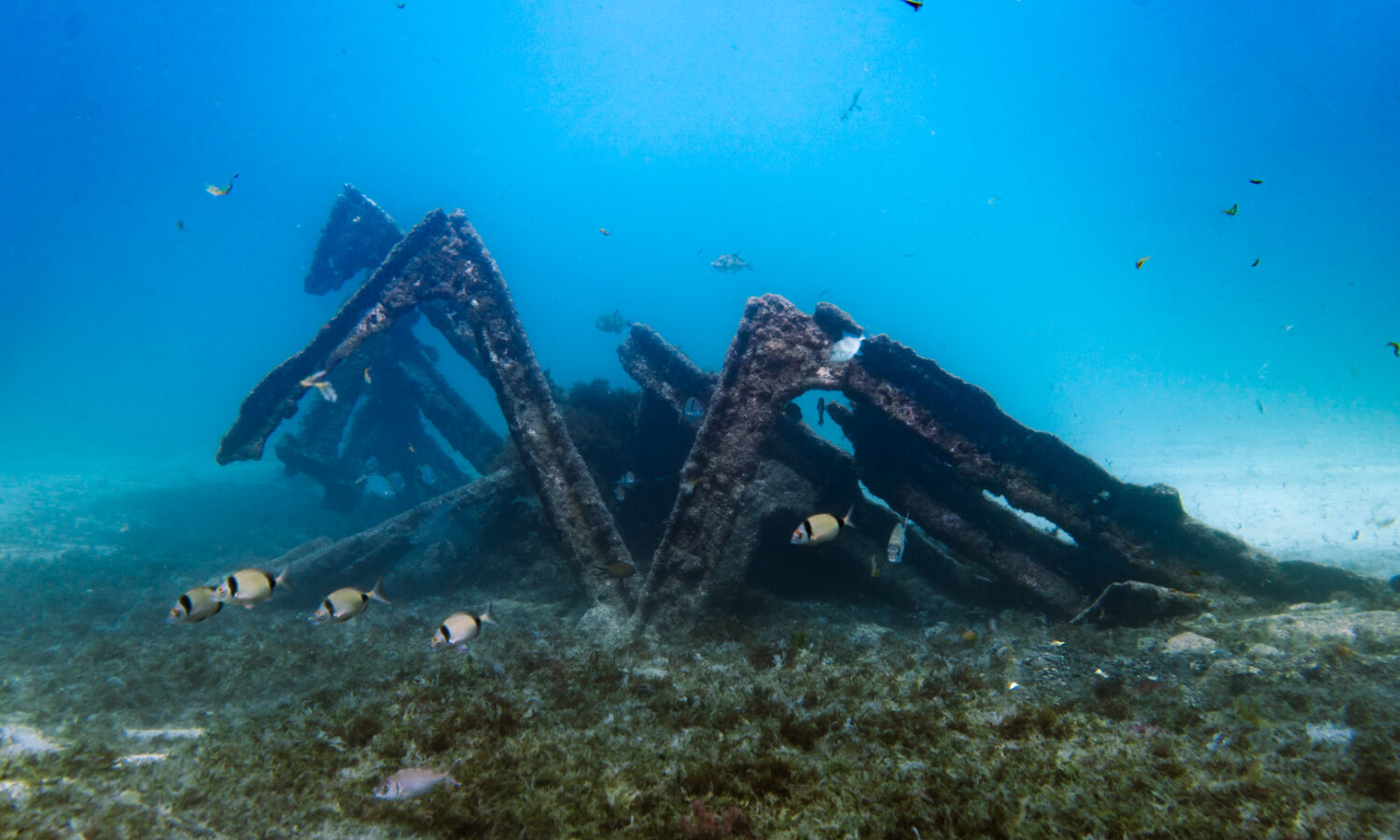
On calm days with good visibility, it is possible to glimpse, in Porto Pim Bay next to Monte da Guia, the silhouette of the British steamship Main, one of Faial’s most emblematic shipwrecks. Sunk in 1892, the 105-meter-long vessel rests at less than five meters deep, making it accessible for both diving and snorkeling. Located within a natural reserve, this site is also a true nursery of marine life, where underwater heritage and the ecosystem coexist in perfect harmony.
The Main, which had departed from New Orleans bound for Liverpool, arrived in Horta in flames. As it posed a threat to the harbor, it was towed to Porto Pim, where the crew attempted to salvage the cargo — cotton and cattle. The rescue effort, however, turned into a chaotic episode: the animals fled up the slopes of Monte da Guia, causing damage to nearby farmland. During the night, the fire intensified and, after the explosion of the powder magazines, the ship sank in front of the former whaling factory (now the Porto Pim Aquarium).
Built in 1868 by Caird & Company, the Main witnessed the transatlantic cotton trade and the economic transformations of the post–American Civil War period. Today, parts of the hull plating and metal structures remain visible, even from the surface, and can be accessed directly from the shore.
The wreck of the Main is more than just a dive site: it is a time capsule preserving the memory of the Atlantic and Faial.
Type of dive: Shore dive, wreck
Level: All levels
Average depth: 5 meters
Current: Weak
Access: Direct from shore (Porto Pim Bay)
Possible activities: Scuba diving, snorkeling
Ideal for: Discover scuba dives, night diving, underwater photography
©C2G2Productions
Entre Montes Archaeological Deposit
In Baía de Entre Montes lies the Archaeological Repository of Entre Montes, also known as the Núcleo de Canhões da Horta. This site preserves artefacts uncovered during excavations carried out between 2008 and 2013, during the construction of the new passenger terminal, which revealed evidence of shipwrecks and nearly three centuries of Atlantic maritime history.
Among the most remarkable discoveries is the “Ivory Wreck” (Horta Bay 1), dating from the early 18th century. It is believed to have been a British merchant vessel whose cargo included more than one hundred ivory tusks, as well as cannons, ceramics, glassware, and everyday onboard utensils. These findings testify to the intense Atlantic trade between Europe, Africa, and the Americas. Another significant assemblage, designated “Horta Bay 3,” revealed around ten iron cannons and ammunition, possibly belonging to another British vessel from the late 18th century.
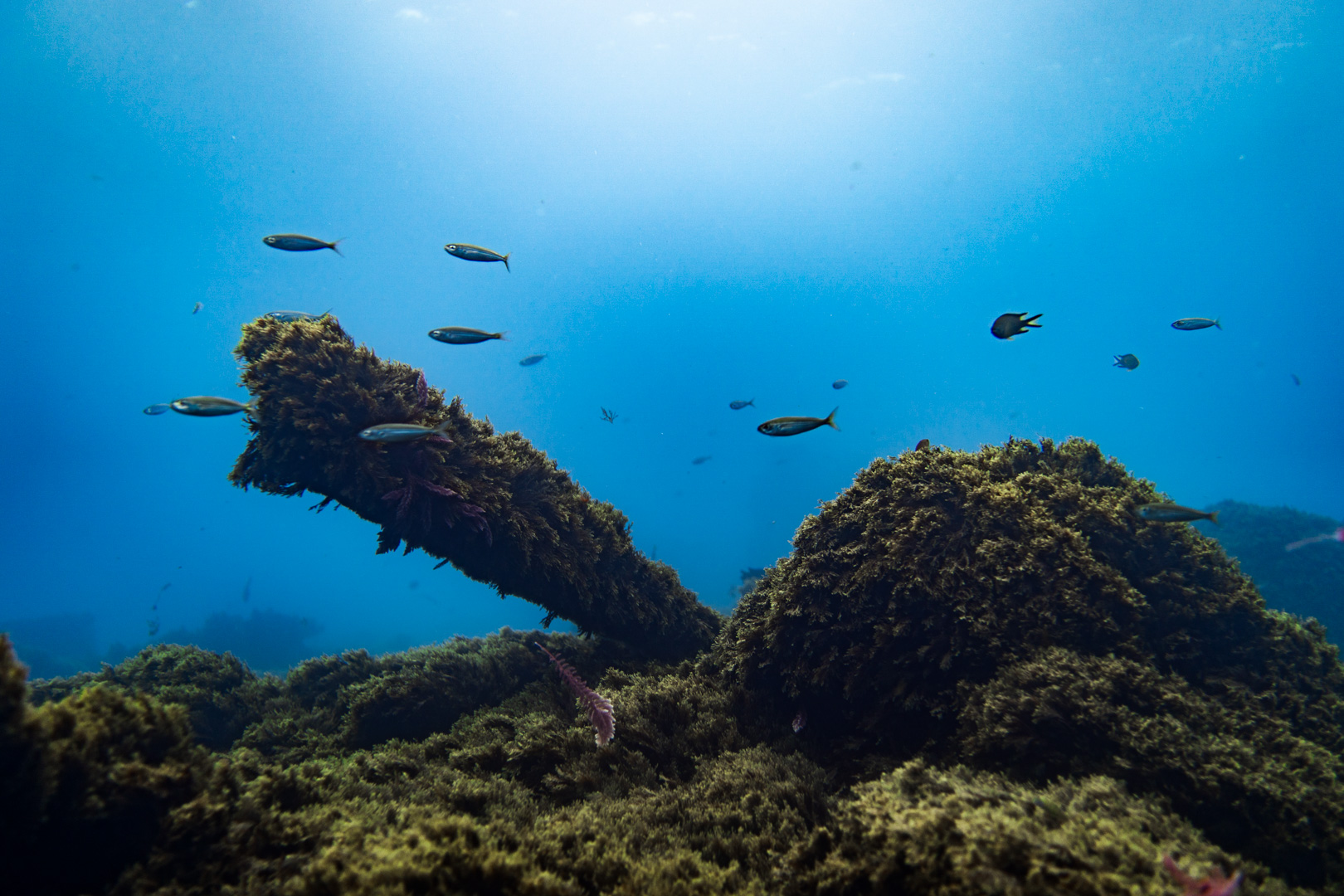
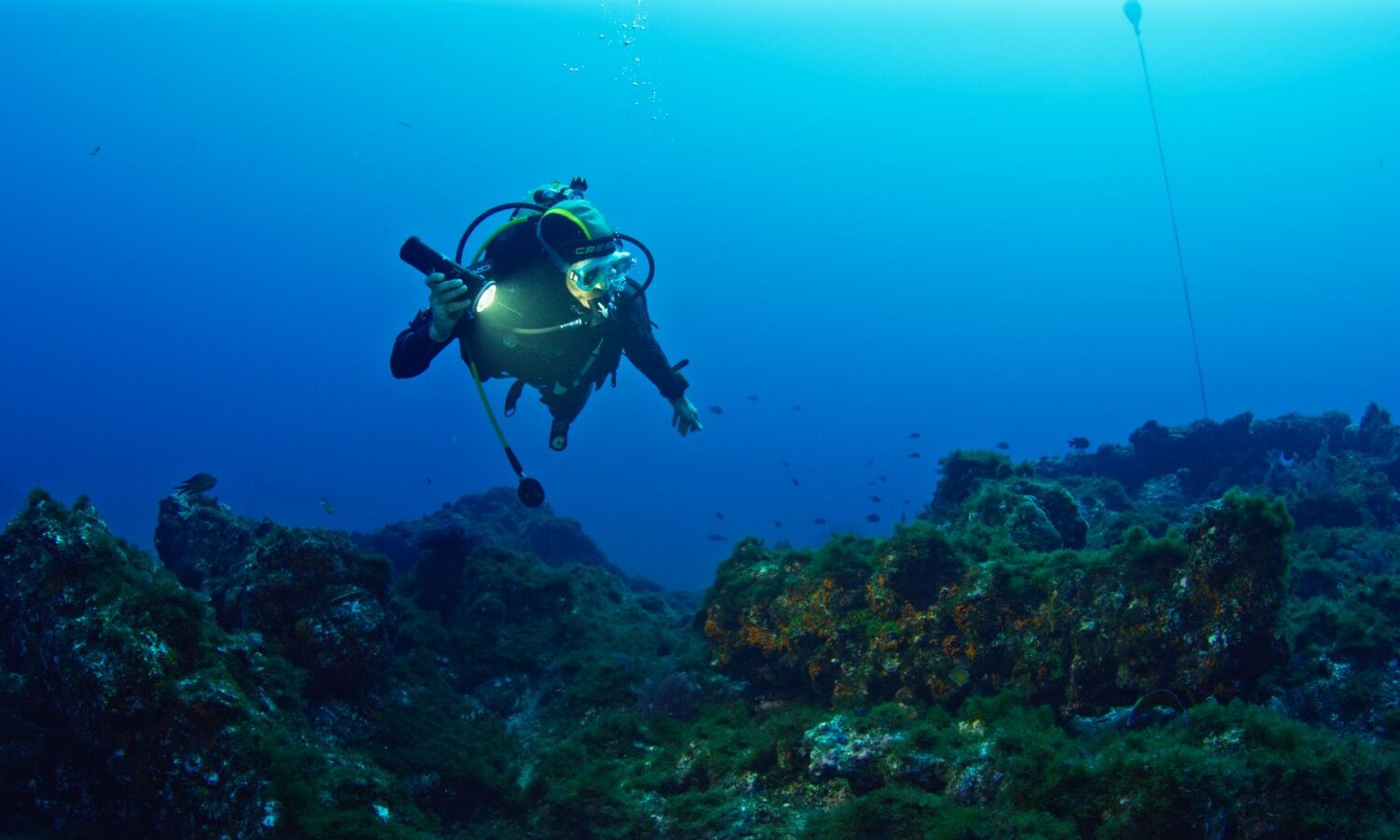
To preserve and enhance this heritage, the first underwater archaeological reserve in the Azores was established at depths between 15 and 20 meters. Today, the site is a true “submerged sculpture garden,” where divers can observe cannons, anchors, and artillery pieces dating from the 17th to the 19th centuries, surrounded by rich marine life.
Type of dive: Shore dive, heritage
Level: Advanced Open Water Diver / Divemaster
Depth: 18–20 meters
Current: Moderate to strong
Access: By boat
Possible activities: Scuba diving
Ideal for: Underwater photography, observation of unique marine species
The Archaeological Repository of Entre Montes stands as a pioneering landmark in Portuguese underwater archaeology — a notable example of in situ conservation that combines scientific research, heritage protection, and tourism enjoyment.
©Catarina Fazenda
Boat Caroline
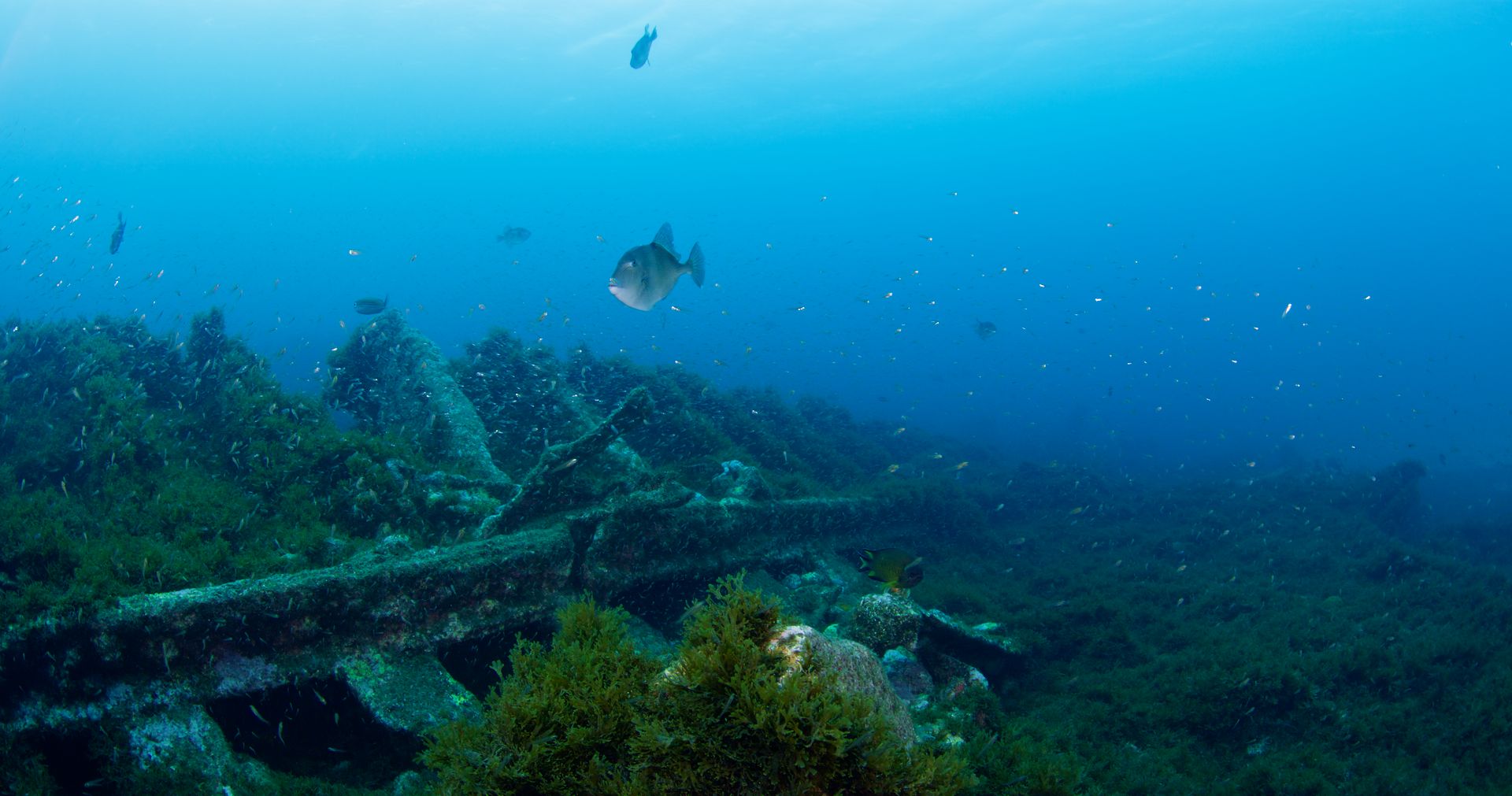
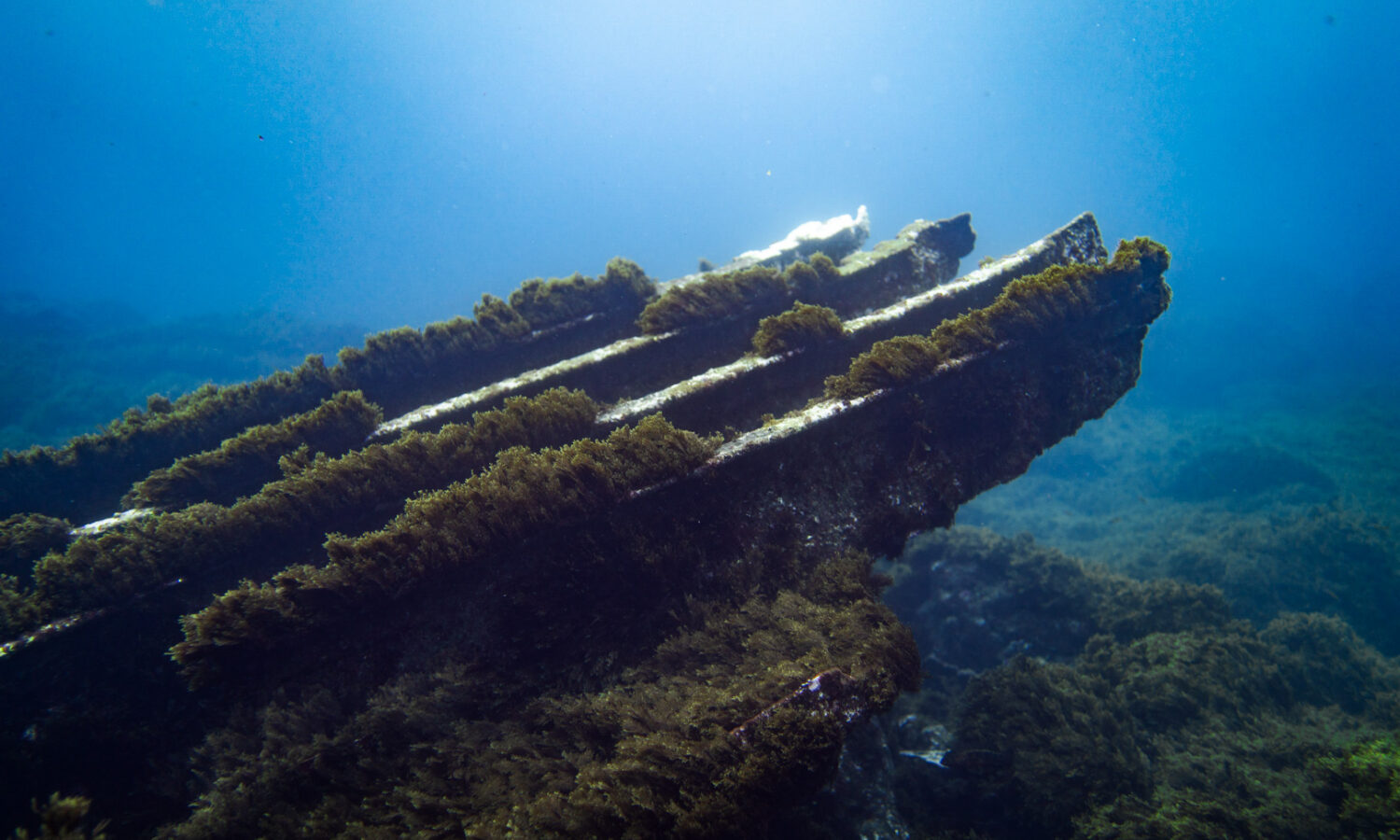
Built in 1896 in Nantes and registered in Dunkirk, the Caroline was an elegant four-masted sailing vessel measuring 97 meters in length and 13 meters in beam. During its routes between France and Chile, it carried passengers and various goods, most notably the valuable Chilean nitrate — also known as saltpetre — used as a natural fertilizer.
In 1901, during its eighth voyage, the Caroline encountered severe sea conditions off Madalena and ultimately sank in the area of Meia-Broa. Four days after the accident, the vessel broke apart completely, leaving its wreckage scattered across a wide underwater area. The memory of this episode lives on in the local community, which still preserves some of the artefacts that were recovered, symbols of a strong connection between the sea and history.
Today, the site is one of Pico’s most emblematic technical diving spots, attracting divers seeking a challenging and history-rich experience.
Type of dive: Shore dive, wreck
Difficulty level: Advanced Open Water Diver / Divemaster
Average depth: 10 meters
Current: Strong
Access: By boat
Possible activities: Scuba diving
Ideal for: Technical diving, historical underwater exploration